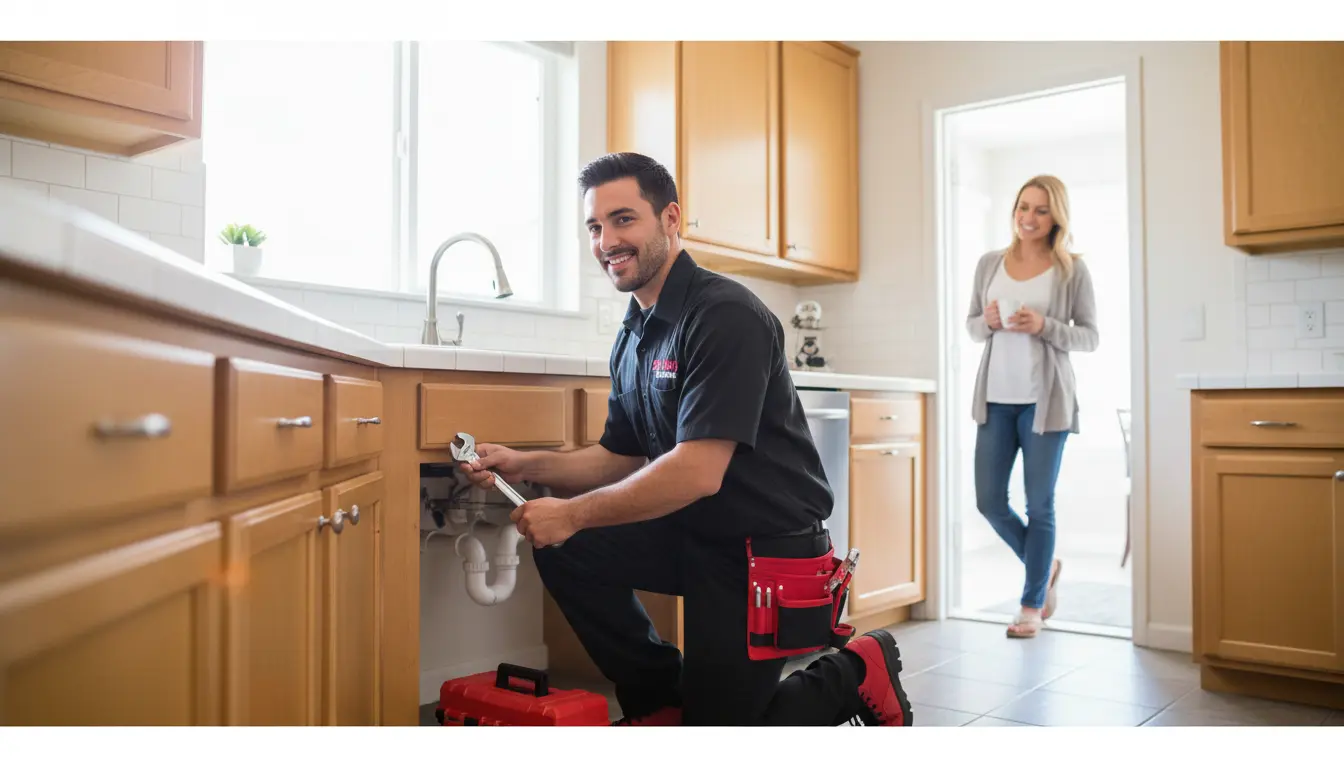
In the heart of Simi Valley, California, a sudden, mysterious sound echoed through the Smith’s household – the relentless, water-wasting hum of a running toilet. For toilet repair emergencies like this, every minute counts, as thousands of gallons of water can be wasted if not addressed promptly. This scenario is all too familiar for many residents, highlighting the importance of swift, professional plumbing intervention.
The consequences of inaction can be severe, from inflated water bills to potential property damage. It’s crucial for homeowners to understand the basics of fixing a running toilet quickly, even without tools, to mitigate these risks. However, for a lasting, professional solution, consulting a licensed plumber is indispensable.
Simi Valley, with its aging infrastructure and hard water, poses unique challenges for residential plumbing. The local conditions, including seismic activity and water conservation mandates, necessitate a proactive approach to plumbing maintenance. As a premier plumbing service provider in the area, Simi Valley Plumbing is well-equipped to address these challenges, offering expert toilet repair services tailored to the specific needs of the community.
Understanding the Technical Process
A professional plumber’s approach to diagnosing and repairing a running toilet involves a systematic process. First, the water supply to the toilet is isolated to prevent further water waste. Then, a thorough assessment is conducted to identify the source of the leak, which could be due to a faulty flapper, improper water level, or clogged drain line. Tools such as high-resolution sewer cameras and hydro jetters may be used to inspect and clear blockages.
The choice of repair method is influenced by local factors such as municipal water pressure limits and the prevalence of hard water, which can lead to mineral buildup and affect the longevity of plumbing fixtures. In Simi Valley, plumbers must also consider the seismic safety requirements, ensuring that water heaters are properly strapped to prevent damage during earthquakes.
Data Comparison
When deciding on the best approach for toilet repair, it’s helpful to compare different methods. For instance, hydro jetting versus traditional cable snaking for drain clearance can have significant implications for the efficiency and cost of the repair.
| Feature/Metric | Hydro Jetting | Traditional Cable Snaking |
|---|---|---|
| Flow Restoration | High-pressure water jets effectively clear blockages | Physical removal of debris with a cable, which may not always restore full flow |
| Long-term Efficiency | Potential for longer-lasting results due to thorough cleaning | |
| Risk to Old Pipes | High-pressure jets can damage older, weaker pipes if not used carefully | Physical cable can cause scratching or breakage of pipes |
Source: Uniform Plumbing Code Guidelines
Expert Insights
To maintain the health and efficiency of your plumbing system, several best practices can be applied. Annual flushing of water heaters to prevent sediment buildup is recommended. Monitoring home water pressure can help protect appliance valves from excessive force. Additionally, avoiding the use of harsh chemical drain cleaners, which can corrode pipes, and not treating the toilet as a trash can, to prevent clogs and backups, are crucial.
Common mistakes include ignoring minor leaks, which can lead to significant water loss and potential structural damage over time, and failing to inspect and maintain water heaters regularly, which can result in sudden, costly failures.
Pricing and Cost Factors
The cost of fixing a running toilet can vary widely depending on several factors. These include the complexity of the issue, the need for emergency service, and the materials required for the repair. A flat-rate diagnostic fee may be charged for the initial assessment, followed by hourly rates for the actual repair work. In cases where pipe replacement is necessary, the cost can be estimated per linear foot of piping.
Factors influencing the final cost include the type of piping material needed (e.g., copper, PEX), whether trenching through a concrete slab or soft soil is required, and any additional work needed to bring the plumbing system up to code. For instance, complying with the California Plumbing Code may necessitate specific fixtures or modifications.
Safety and Standards
Adherence to safety protocols and standards is paramount in plumbing repair. This includes following the California Plumbing Code, using EPA WaterSense certified fixtures to promote water efficiency, and ensuring lead-free brass fittings to safeguard potable water quality. Regular maintenance, such as inspecting water heaters for signs of wear and ensuring backflow prevention devices are installed and tested, is also crucial for preventing accidents and ensuring the plumbing system operates safely.
FAQs
What are the most common causes of a running toilet?
The most common causes include a faulty flapper that doesn’t seal properly, an improperly adjusted or damaged fill valve, and clogs in the drain line. Addressing these issues promptly can prevent water waste and potential damage to the toilet and surrounding areas.
How often should I inspect my home’s plumbing system?
Regular inspections, ideally every 6 to 12 months, can help identify minor issues before they become major problems. This includes checking for leaks under sinks, around toilets, and near water heaters, as well as inspecting the condition of pipes and fixtures.
What are the benefits of hydro jetting over traditional drain cleaning methods?
Hydro jetting offers a more thorough cleaning of the drain lines, restoring flow and reducing the likelihood of future clogs. It’s particularly effective against grease buildup and mineral deposits, common in areas with hard water like Simi Valley.
How can I prevent my pipes from freezing during the winter?
Preventing frozen pipes involves insulating exposed pipes in unheated areas like the garage or basement, letting cold water drip from the faucet served by exposed pipes, and opening cabinet doors to allow warm air to circulate around pipes. Additionally, considering professional advice on winterizing your plumbing system can provide peace of mind and protection against costly repairs.
Professional Plumbing Care in Simi Valley
Maintaining a reliable, leak-free plumbing system is crucial for the comfort, safety, and efficiency of any residence. In Simi Valley, with its unique challenges and regulations, partnering with a knowledgeable, licensed plumber can make all the difference. Simi Valley Plumbing, with its commitment to code-compliant, eco-friendly practices and customer satisfaction, stands as the premier choice for all plumbing needs, from toilet repair to comprehensive system maintenance.
For a professional, stress-free experience in addressing your plumbing issues, consider reaching out to Simi Valley Plumbing. Their expertise, combined with a dedication to using only the highest quality, WaterSense certified fixtures and lead-free materials, ensures that your plumbing system operates efficiently, safely, and in compliance with all local regulations.